When it comes to protecting your commercial or industrial building, not all security systems are created equal. Doors, fencing and barriers may look robust. But without independent testing, it’s hard to know how they’ll perform during a real attack.
That’s where LPS 1175 comes in. LPS 1175 is one of the most widely recognised security ratings in the UK. It provides a clear and trusted benchmark for how well a product can resist forced entry.
In this guide, we explain what LPS 1175 is, how the different security ratings work and how to choose the right level of protection for your premises.
What is LPS 1175?
LPS 1175 is a Loss Prevention Standard published by the LPCB (Loss Prevention Certification Board) — part of the Building Research Establishment (BRE), an independent consultancy group.
It’s an internationally-recognised standard that sets out how security products are tested against physical attacks, using realistic tools and techniques.
Products that meet the standard are described as LPS 1175 accredited. You know these products have been tested under controlled conditions to ensure consistent and reliable security.
LPS 1175 security ratings explained
LPS 1175 uses security ratings (SR) to classify performance. These range from SR1 (lower resistance) up to SR8 (very high resistance).
When assigning these ratings, LPS standards use a two-part classification system:
- Tool category (A-H): The types of tools used during testing, ranging from basic hand tools to powerful, heavy-duty equipment.
- Maximum attack time (1-20 minutes): The time a product can withstand an attack using the specified tools.
Here’s a simple breakdown of all LPS 1175 security ratings.
LPS 1175 SR1
- Threat level: Opportunistic attack
- Attack tools: Tool kit A (e.g. screwdrivers, spanners, pliers)
- Maximum attack time: 1 minute
- Typical product use: Low-risk domestic or low-risk commercial environments
SR1 products are designed to resist basic, opportunistic attempts at forced entry using bodily force and simple hand tools. They’re mainly used as a deterrent.
LPS 1175 SR2
- Threat level: Opportunistic attack with increased tool capability
- Attack tools: Tool kit B (e.g. bolt cutters, claw hammers)
- Maximum attack time: 3 minutes
- Typical product use: Medium domestic or low commercial risk environments
SR2 products offer improved resistance compared to SR1, withstanding a wider range of hand tools. This level is commonly specified for small commercial premises.
LPS 1175 SR3
- Threat level: Sustained attack using hand tools
- Attack tools: Tool kit C (e.g. axes, chisels, crowbars, hacksaws)
- Maximum attack time: 5 minutes
- Typical product use: Low-risk commercial sites
SR3 provides moderate resistance to determined attacks and is often specified for external security doors in commercial buildings.
LPS 1175 SR4
- Threat level: Experienced attacker using powered tools
- Attack tools: Tool kit D (e.g. 12V cordless drills, disc grinders)
- Maximum attack time: 10 minutes
- Typical product use: Medium-risk commercial premises
SR4 products are designed to resist sustained attack using heavier, powered tools. This rating is common in warehouses, logistics sites and larger commercial buildings.
LPS 1175 SR5
- Threat level: Prolonged attack on high-value targets
- Attack tools: Tool kit D+ (e.g. 18V cordless tools, powered disc cutters, circular saws)
- Maximum attack time: 10 minutes
- Typical product use: High-risk or operationally critical sites
SR5 offers strong, prolonged resistance and is often specified for environments such as data centres, transport hubs and critical storage facilities.
LPS 1175 SR6
- Threat level: Professional-level attack
- Attack tools: Tool kit E (specialist power tools)
- Maximum attack time: 10 minutes
- Typical product use: Critical national infrastructure and sensitive storage
SR6 products are tested against highly skilled attackers using specialist equipment. They’re commonly used where a security failure would have serious consequences.
LPS 1175 SR7
- Threat level: Internal high-security attack
- Attack tools: Tool kit F (specialist power tools)
- Maximum attack time: 10 minutes
- Typical product use: Internal secure zones such as vaults or server rooms
SR7 assumes an attacker has already breached the external perimeter and is attempting to access internal, highly secure areas within a building.
LPS 1175 SR8
- Threat level: Extreme, sustained attack
- Attack tools: Tool kit G (powerful, often petrol-driven tools, excluding firearms or explosives)
- Maximum attack time: 20 minutes
- Typical product use: Defence, high-security laboratories and sensitive data environments
SR8 offers the highest level of protection under LPS 1175, providing maximum resilience against prolonged, aggressive attacks.
What products does LPS 1175 apply to?
LPS standards apply to a wide range of physical security products, including:
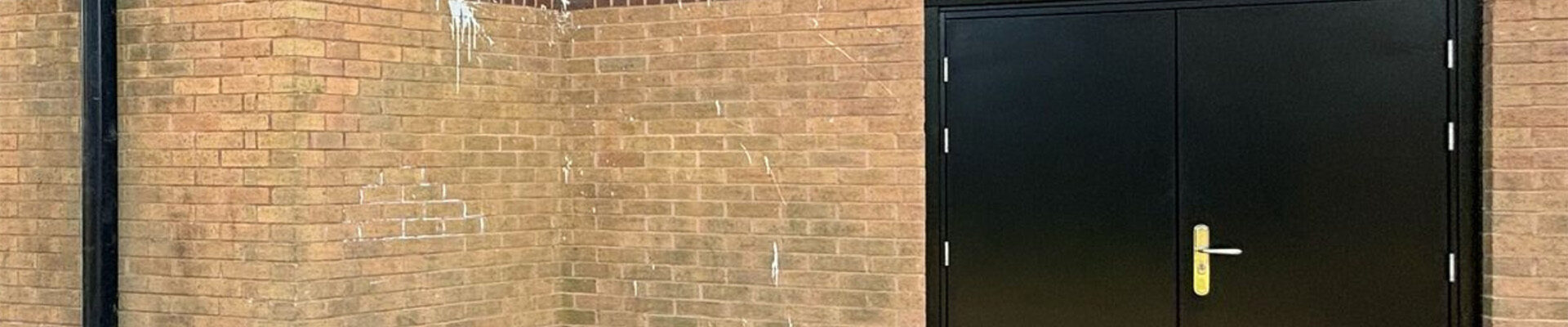
- Doors, including strong room doors
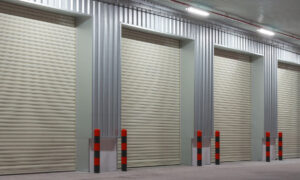
- Security shutters
- Glazing systems
- Fencing
- Gates and barriers
Each product is tested as a complete system, including fixing and frames.
How to choose the right LPS 1175 security rating for your building
The right security door rating depends on your building’s risk profile. Key factors to consider include:
- Location and crime risk. Areas with higher crime rates or isolated locations may require higher door security ratings.
- Value of assets on site. Buildings with high-value goods, sensitive data or critical equipment need stronger protection.
- Likely attack methods. Understanding the tools or techniques an intruder might use helps determine which SR rating is appropriate.
- Insurance requirements. Many insurers specify minimum security ratings for doors and access points. Choosing the right rating ensures compliance and can reduce your premiums.
- Business continuity impact. Consider how a break-in would affect operations. High-value or mission-critical sites may require higher-rated doors.
Choosing a higher rating than necessary can increase cost without adding meaningful benefit. But choosing a lower rating than necessary can leave your premises and contents vulnerable. That’s why some businesses seek professional guidance when selecting door security ratings.
LPS 1175 vs other security ratings
There are several security standards in use across the UK, each with a different focus.
LPS 1175 vs LPS 2081
LPS 2081 is another BRE standard, but it tests how well a security product resists attack by intruders using stealth tactics. Unlike the LPS 1175 test, the LPS 2081 test only uses attack tools that create a minimal amount of noise.
LPS 1175 vs EN1627-30:2011
EN1627-30:2011 is a European security standard. It follows a similar structure to LPS 1175, in that it ranks products based on the attack times and tools used. However, EN1627-30:2011 doesn’t include some of the more advanced tools used in LPS 1175 testing. For this reason, LPS 1175 is seen as the more relevant and reliable standard.
LPS 1175 vs PAS 24
PAS 24 is mainly used for doors and windows in residential properties, testing resistance to burglary-style attacks. LPS 1175 goes further, testing for longer attack times and more aggressive tools.
LPS 1175 vs Secured by Design
Secured by Design is a police-backed initiative that encourages the building industry to adopt crime prevention measures when designing and constructing buildings. Products that meet the security standards we’ve listed above, including LPS 1175, may meet Secured by Design approval.
High-security doors from Secure Door Systems
At Secure Door Systems, we design, supply and install LPS 1175 doors and LPS 1175 fencing for sites across the UK. Our products include industrial doors, roller shutters and steel doors.
We don’t just supply products — we help you choose the right security solution for your site, balancing protection, compliance and cost. We also install your security doors and fences to ensure they provide a strong defence against attack.
Unsure which security rating you need? Get in touch with Secure Door Systems today to talk through your options.
LPS 1175: FAQs
What does LPS 1175 stand for?
LPS stands for Loss Prevention Standard. LPS 1175 is a Building Research Establishment (BRE) standard for testing physical security products against forced entry, using a wide range of attack tools.
Do I need LPS 1175 doors?
LPS 1175 doors improve the security of your building. They can also help you gain Secured By Design approval. In places with high crime risk and in buildings with valuable assets, LPS 1175 doors can help protect your premises from attack.
Does LPS 1175 apply to fencing?
Yes. The Building Research Establishment (BRE) tests fencing and gates under the LPS 1175 standard. LPS 1175 fencing and gates have been proven to withstand attack for a specified time using a specified tool kit.